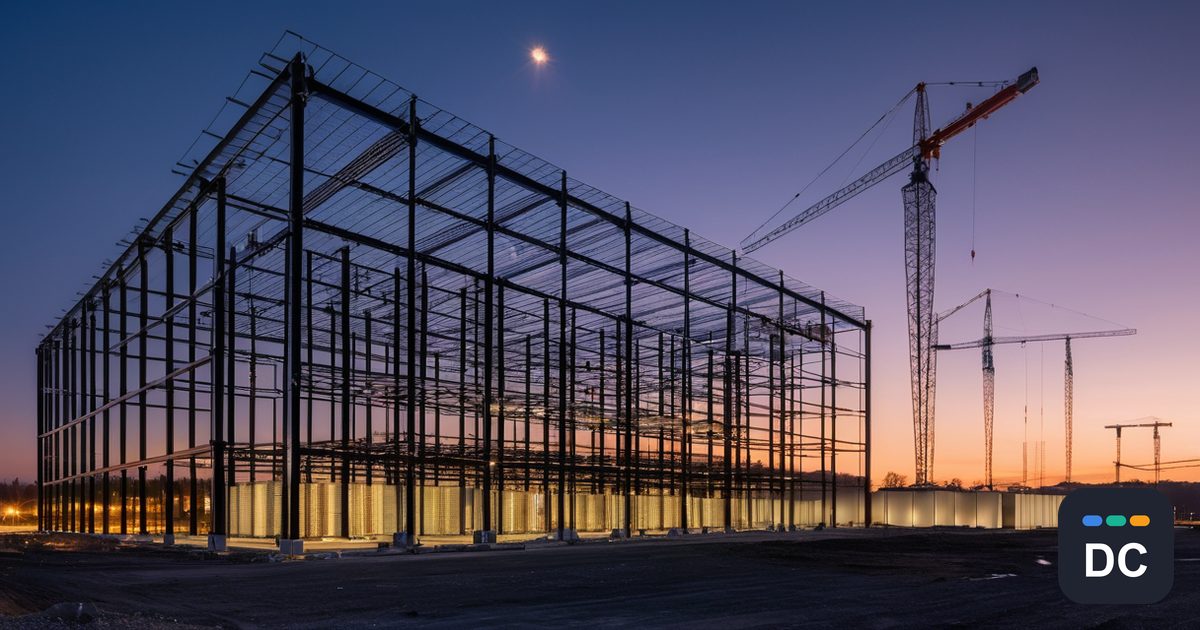
America’s data-center build-out is falling well behind schedule, the Wall Street Journal reported, with new capacity held up by power-interconnection queues, equipment lead times, and rising local opposition.
For the companies building those campuses, that’s a planning headache. For the operators running facilities today, it’s something more useful: leverage.
When new megawatts arrive late, you sweat the ones you have
Every quarter a new hall slips is a quarter the workload lands somewhere else — in the rooms you already run. Capacity you thought you’d retire stays in service. Density creeps up. The cheapest megawatt in a delayed market isn’t a new one; it’s the stranded headroom already sitting in your existing footprint, hidden behind conservative setpoints and worst-case assumptions.
The lever is visibility, not concrete
Reclaiming that headroom is a measurement problem before it’s an engineering one. You can’t safely raise a setpoint, consolidate a workload, or prove a cabinet has room without cabinet-level thermal maps, differential pressure across the containment, and live PUE. A room that runs on a single return-air sensor and a habit has no idea where its real margin is — so it leaves it on the table, cooling the whole floor to protect the one cabinet nobody can see.
The takeaway
A delayed build-out rewards the operators who can find capacity they already own. That starts with metering at the rack, not waiting on the grid. So ask the boring question first: do you actually know which cabinets have headroom today — or are you guessing?
Sources
- The Wall Street Journal — “America’s Data Center Build-Out Is Falling Way Behind Schedule” — https://www.wsj.com/tech/ai/americas-data-center-build-out-is-falling-way-behind-schedule-e408a9a8
Leave a comment