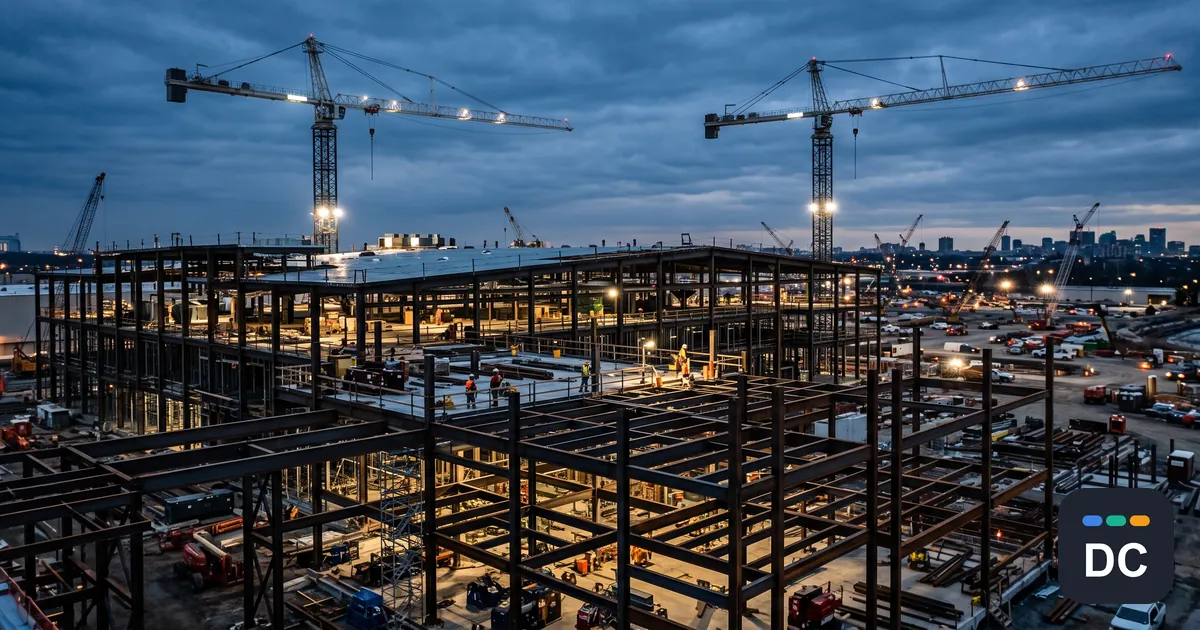
SK Telecom are investing in 15GW of AI data centers in South Korea. They will build their first 1-gigawatt AI data center in Ulsan and invest $101.4 billion in the surrounding Yeongnam region, the company’s Jung said, according to a report from bloomingbit. The remarks put the site at the center of one of the largest regional AI infrastructure commitments reported in South Korea to date.
Ulsan is an industrial port city on South Korea’s southeast coast, long home to some of the country’s heaviest industrial power users in shipbuilding and petrochemicals. The $101.4 billion figure reported by bloomingbit applies to the wider Yeongnam region, the southeastern part of the country that takes in Ulsan along with Busan and Daegu.
The scale of this sets it apart from other projects. Gigawatt-class AI campuses have so far been announced mostly by the largest US cloud and AI companies, so a telecom carrier planning one marks how far the AI buildout has spread. Projects this size are shaped by power before anything else. The grid connection, the electrical distribution and the heat rejection all have to exist before the GPU’s are installed.
What it means for operators
A 1-gigawatt AI data center is a power and cooling project first and a compute project second. Every megawatt the site draws has to move through switchgear, UPS and distribution before it reaches a rack, and every one of those megawatts comes back out as heat the cooling plant must remove. At AI rack densities that points to liquid cooling and much tighter thermal envelopes than a general-purpose data hall. For operators already running facilities in the region, a build this size also tightens the market around them. Grid connection queues, utility capacity and experienced staff all get scarcer when a gigawatt lands nearby. The operators best placed for it are the ones who already know their real load, their thermal headroom and how much growth their site can actually absorb. The only way you can really know this is through effective telemetry, monitoring of PUE, releasing of stranded capacity and other gains that can be gotten through technologies such as AKCP’s sensorCFD.
Source: bloomingbit
Leave a comment